
What Should a Lawn Care Website Include?
Homeowners buy lawn care like a subscription, so pricing and cancellation terms matter more than portfolio work.

Lawn care is a subscription, and homeowners evaluate it the way they evaluate any subscription. What does it cost each month, what exactly do I get, and how hard is it to stop.
Most lawn care websites answer none of those. They show a photo of a mower, list mowing and edging, and ask people to call for a free quote.
That was fine when the competition was a flyer on a mailbox. Now a homeowner opens three sites in a browser at nine in the evening, and the one they can price is the one they sign up with.
Here is the checklist, in the order it matters.
Publish prices, or at least ranges by lot size
The most common objection to publishing lawn pricing is that every property is different. That is true, and it is solvable.
Price by lot size band. Under a quarter acre. A quarter to a half. Half an acre and above. Give the per-visit price and the monthly equivalent, because homeowners think in months.
If your market has genuinely unusual properties, say that quotes above a certain size are custom and give the process. That still gives ninety percent of visitors a number.
Lawn care is bought like a phone plan, not like a home repair. Hidden pricing does not create curiosity. It reads as a sales tactic.
The companies that publish get fewer inquiries and considerably better ones. The people who leave were price shopping, and each of those calls costs you a conversation to discover.
It also filters for route efficiency, which matters more in this business than almost any other.

Say exactly what a visit includes, and what it does not
Mow, edge, trim, blow. Then be specific about the details homeowners actually argue about later.
- Whether edging happens every visit or alternating visits
- What happens to clippings, bagged or mulched
- Whether trimming includes beds and fence lines
- Whether you blow off drives and walkways
Then list what is not included: fertilization, weed control, aeration, leaf removal, bed maintenance, hedge trimming. Selling those separately is completely fine. Surprising someone with them in month two is not.
This section does two jobs. It sets expectations that prevent cancellations, and it quietly sells the add-ons, because a homeowner reading the exclusions list discovers services they did not know they wanted.
The clearer this is, the fewer conversations you have in June about whether leaf cleanup was supposed to be part of it.
Related Guides



Name the neighborhoods you actually serve
Route density is the entire economics of lawn care. Twenty lawns on four streets is a profitable morning. Twenty lawns scattered across a county is a day of driving with a mower in the back.
So your service area should list specific neighborhoods and subdivisions by name, not a radius in miles.
This does two things at once. It attracts the customers who make your route efficient, and it is exactly how homeowners search. Someone types lawn care plus their subdivision name, and a page that contains that name will surface for it.
If you have streets you are actively trying to fill, name those first. If there are areas you would rather not serve, leaving them off is a legitimate business decision, not a missed opportunity.
Be clear about terms, because fear of commitment stops signups
More homeowners hesitate over being locked in than over price.
Answer all of it plainly:
- Contract or month to month
- When and how you bill
- What happens if it rains and you skip a visit
- Whether the price changes as the grass slows in autumn
- What notice you need to cancel
Month to month with easy cancellation, stated plainly, converts better than a lower price with vague terms. It also produces customers who stay, because nobody feels trapped.
If you do require a seasonal commitment, say so and say why. Honest constraints are easier to accept than discovered ones.
One practical note: publishing your cancellation terms tends to reduce cancellations, because people who understand the arrangement complain less about it.
Show insurance and show who turns up
Someone is coming onto the property weekly, usually when nobody is home, with equipment that can damage a fence, a sprinkler head or a parked car.
State that you carry liability insurance, and offer to provide a certificate on request. Most competitors say nothing about this, so saying it plainly separates you immediately.
Then show the crew or the truck. And if the same person services the property each week, say that, because consistency matters to homeowners considerably more than most operators expect. Knowing who is going to be in the back garden is part of what they are buying.
If you have any relevant licensing for chemical applications, name it. Homeowners with pets and children ask about this and rarely get a clear answer.
Related Guides

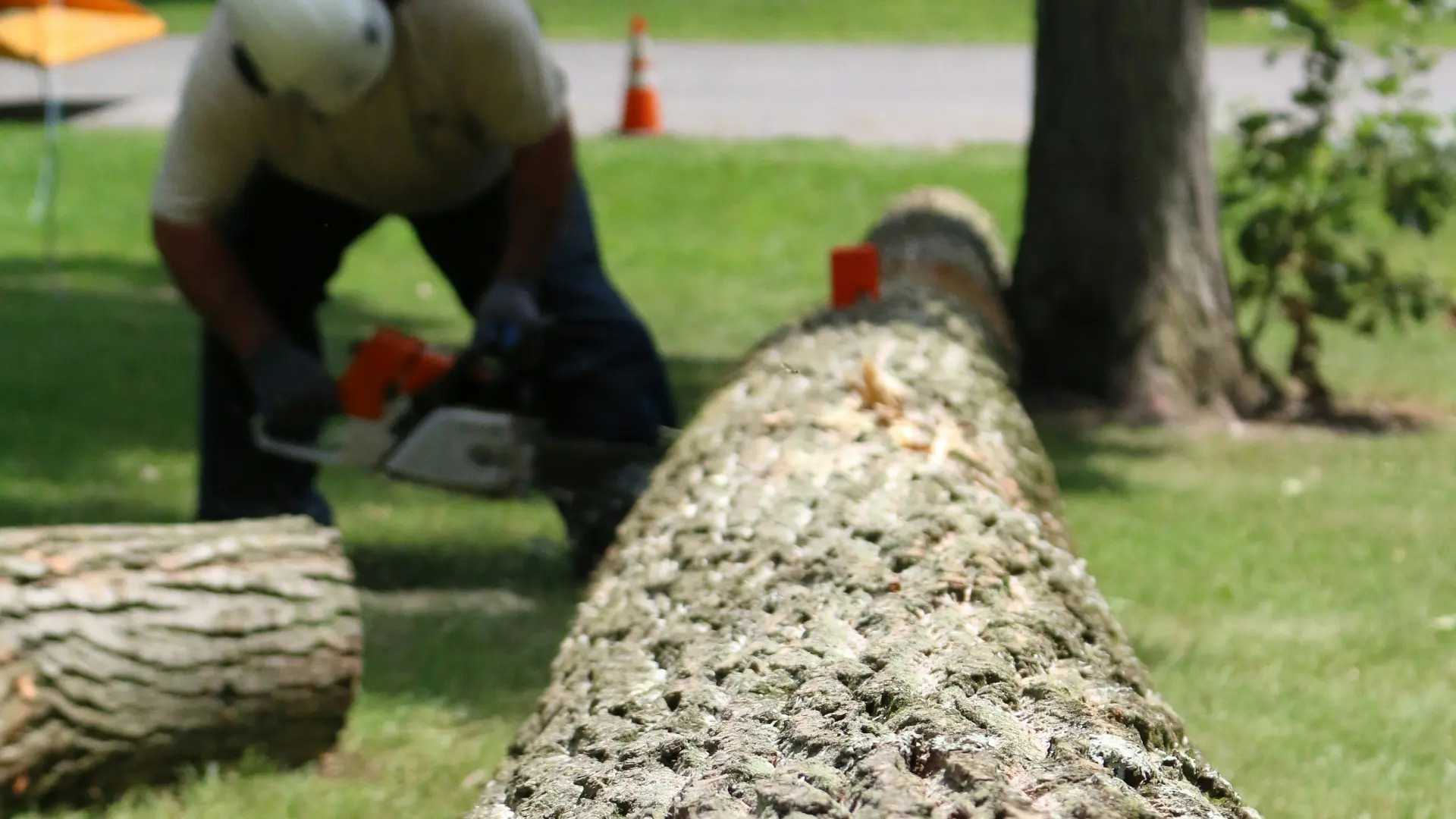

Photograph maintained lawns, not just cut ones
Your product is not a cut lawn. It is a lawn that consistently looks cared for, and that photographs differently.
Shoot from the street, the way a neighbour sees it. Striped, edged clean, walkways blown off, beds tidy. Late afternoon light makes stripes visible.
Choose properties that look like the ones in your service area. A quarter-acre suburban lot photographed well sells better to your actual market than an estate does.
Six real photos beat sixty stock ones. Homeowners have seen the same stock mower on forty websites and it signals nothing except that you bought a template.
A before and after from a property you rescued from neglect is worth including too, because a meaningful share of new customers are people whose lawn has got away from them.
Let people sign up online, at nine at night
A great deal of lawn care shopping happens in the evening, and a phone number alone loses those people.
What signup should collect: address, lot size or a rough estimate, plan choice, preferred start date, and a card on file. That is enough to schedule and bill.
Every additional field costs you signups. Do not ask for information you can gather on the first visit.
If you can offer instant pricing based on address lookup, that converts extremely well in this category, because it removes the wait entirely.
At minimum, offer a short request form alongside the phone number, and reply the same day. The first company to respond with a real number usually wins the account.
Publish a seasonal calendar
Homeowners genuinely do not know how lawn service works across a year, and the confusion causes cancellations.
A short month-by-month calendar answers it: when the season starts, how visit frequency changes as growth slows, what happens over winter, whether billing pauses, and when leaf cleanup or aeration typically happen.
This prevents a large share of the calls you get in October asking why they were charged for a month with three visits instead of four.
It also sells. A homeowner reading the calendar sees aeration in autumn and overseeding in spring, and some of them will add those before you ever pitch them.
Position it as helpful information rather than as terms, and it does both jobs at once.
Plans with prices, exactly what is included, the streets you cover, clear terms, insurance, real photos, online signup, and a seasonal calendar.
Lawn care marketing is subscription marketing. Every item on that list either helps someone commit or stops them cancelling later, and the site that does both fills routes faster than the one with the nicest logo.
Action Plan
- Publish plan pricing by lot size band, with per-visit and monthly figures.
- List exactly what each visit includes, and what it does not.
- Name the specific neighborhoods and subdivisions you serve.
- State billing, rain policy and cancellation terms plainly.
- Add your insurance details and a photo of the crew or truck.
- Replace stock images with street-view photos of maintained local lawns.
- Add online signup with card on file, four or five fields maximum.
- Publish a month-by-month seasonal calendar.
Not sure which gap is costing you signups? Take the free Marketing System Scorecard. Twelve questions, about a minute, and you get your score plus your three biggest gaps on the page, no email required.
If you would rather have it built, the Lawn Care BrandPack includes the website, online signup, recurring billing, route reminders and seasonal campaigns already set up. Start free for 14 days, then $97 a month, no setup fee, cancel anytime. It also includes the full Handyman, Landscaping and Tree Service BrandPacks at no extra cost, which matters if you take cleanup, install or tree work between mows.
Frequently Asked Questions


