What should massage therapists post on social media?
The treatment space, the therapist's face and introduction, practical explanations of what a session involves, and current availability. Comfort and familiarity reduce first-time hesitation more effectively than wellness imagery or generic self-care content.
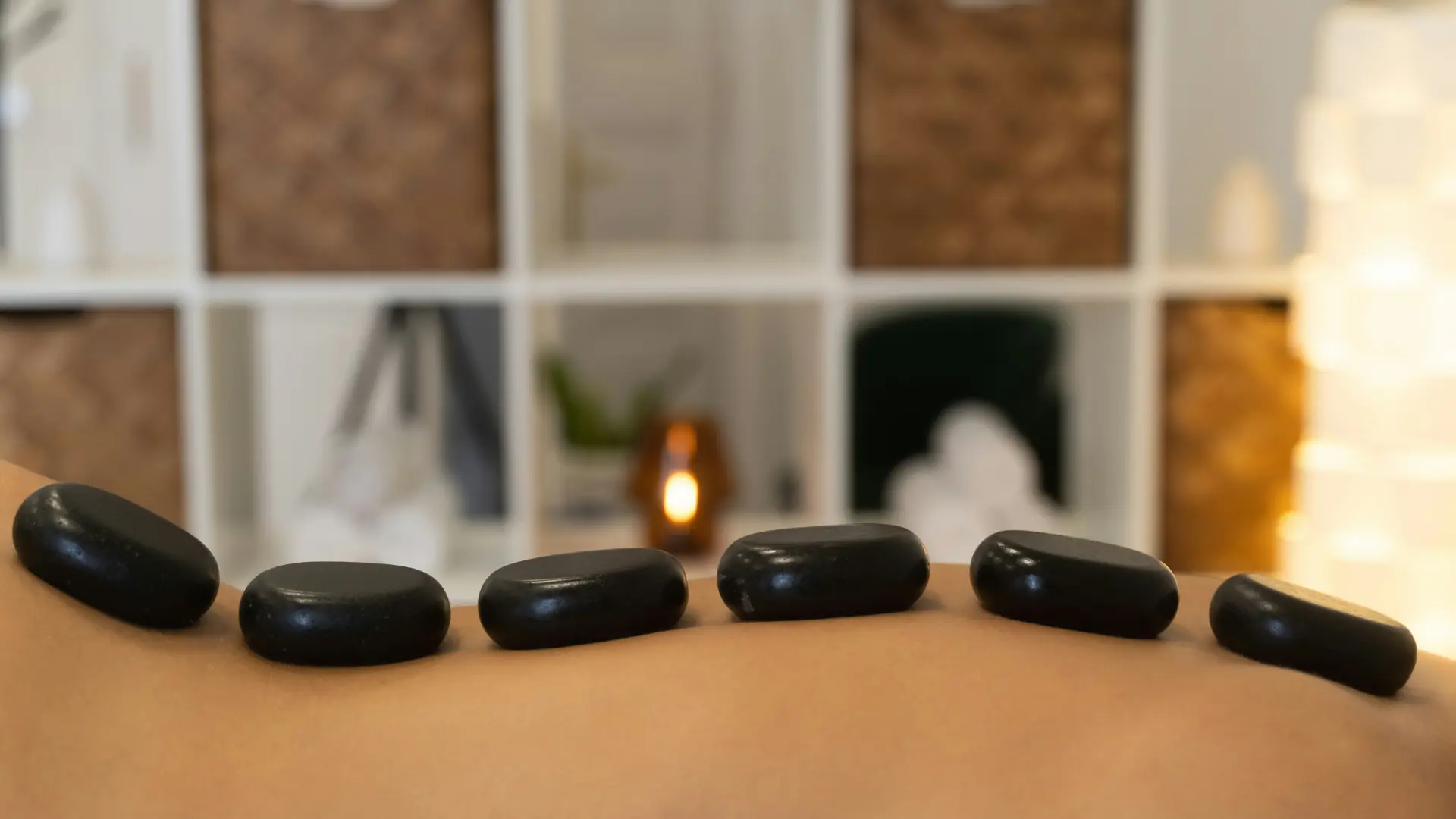
Most massage social media looks identical: stock photos of oiled backs, hot stones, and quotes about self care. None of it addresses the actual barrier, which is that booking a massage with a stranger feels vulnerable.
What works is making yourself and your space familiar before someone walks in.
- Your treatment room, repeatedly. Clean, calm, lit, table made. Post it more often than feels necessary, because every new follower is a potential first-timer who has never seen where they would be going.
- Your face and your name. Clients are choosing a person. Anonymity works against you in a category where comfort decides.
- Practical explanations of a session. What happens at intake, how draping works, whether you need to talk, what to do afterward.
- This week's remaining availability. One of the few directly commercial uses of social media in any trade.
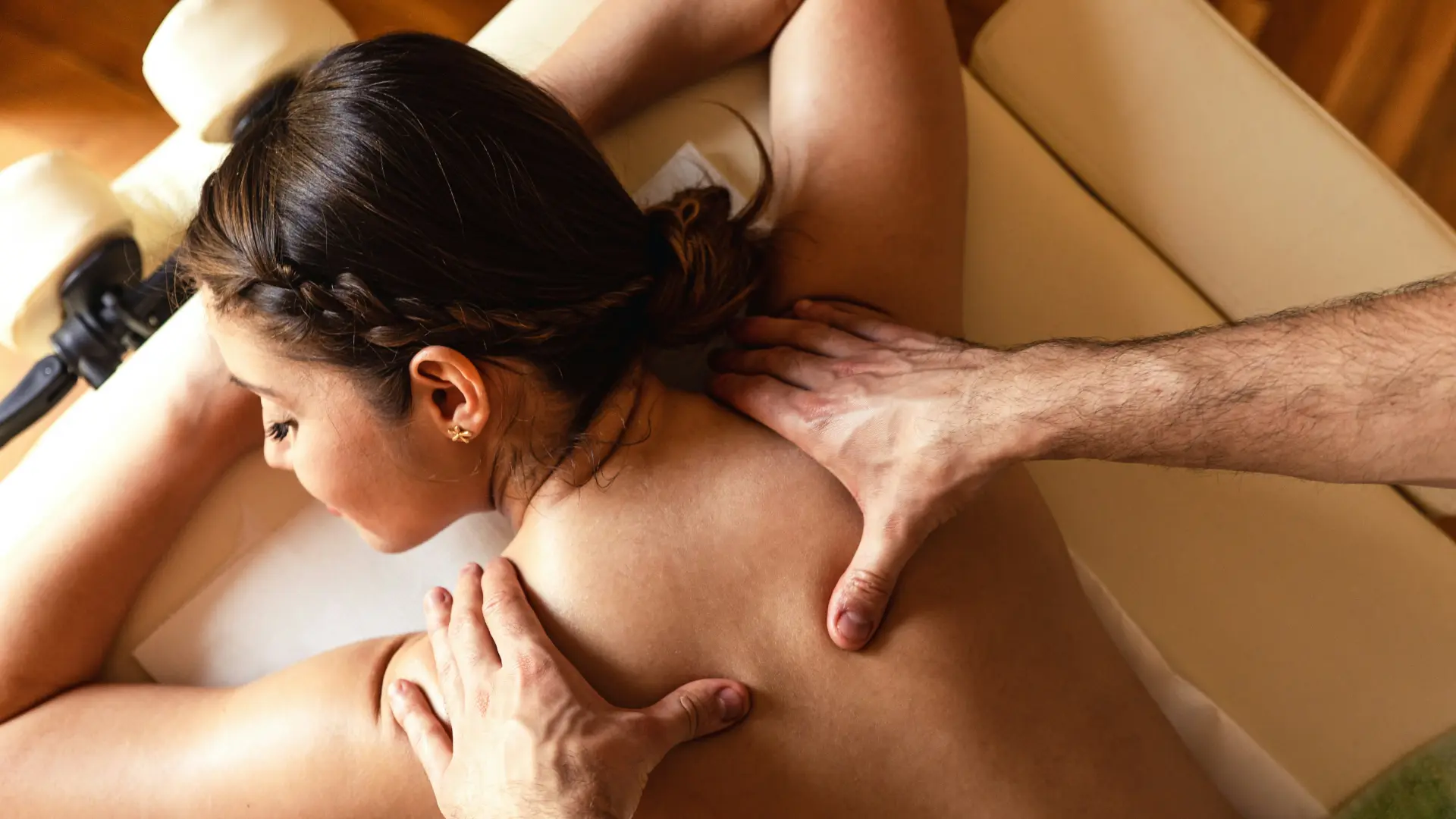
Be careful with body imagery. Photographs of hands on bare skin read differently on social platforms than in a clinical context, and can attract the wrong attention or trigger platform restrictions. Clothed chair work, the room, your face, or hands on a shoulder through fabric are safer framings.
Avoid claims about what massage treats.